
How Often Should You Reseal and Maintain a Paver Patio in New England?
· By Obadias Garcia
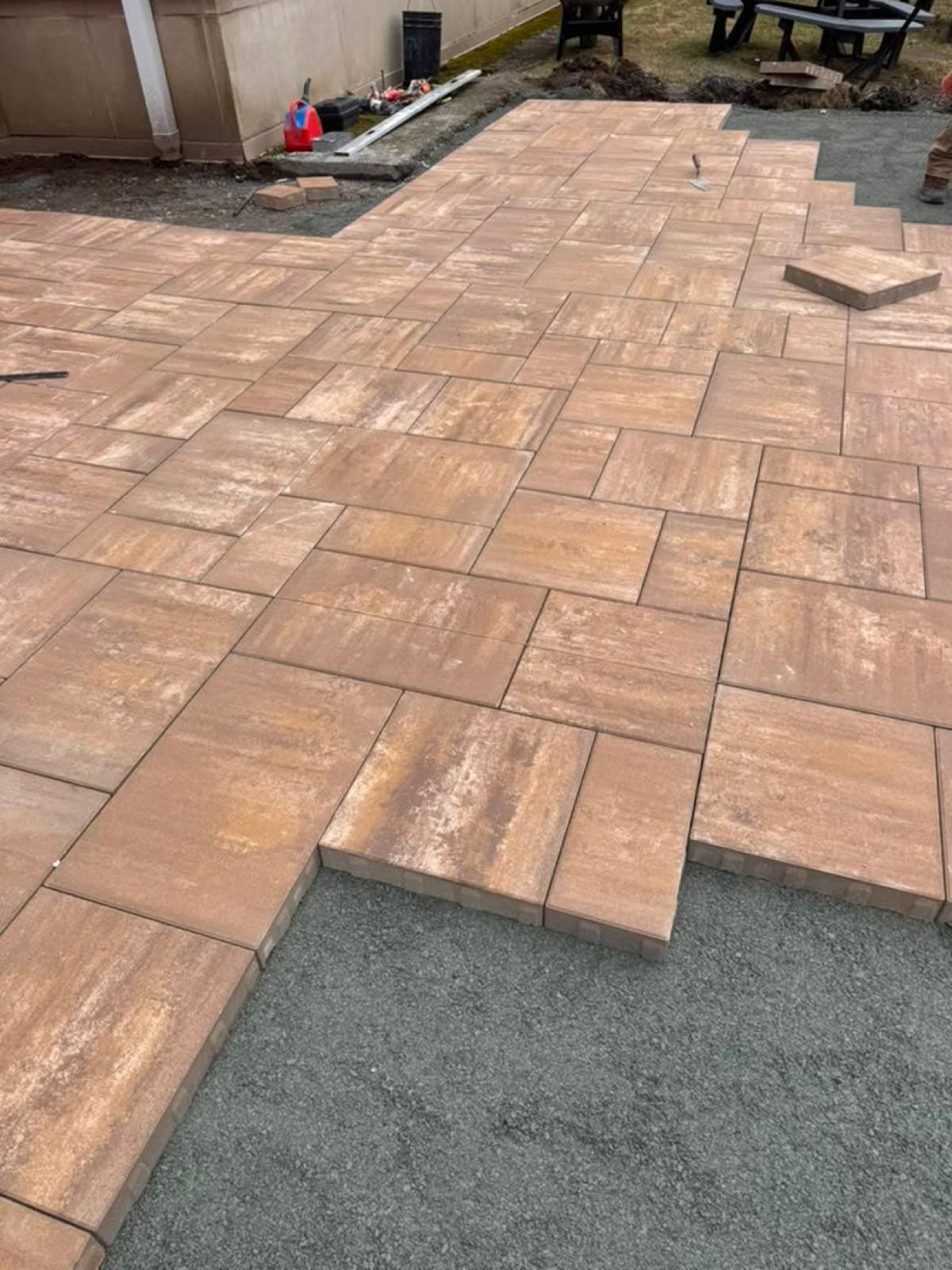
A paver patio is one of the toughest outdoor surfaces you can build, but here on the South Shore it lives a hard life. Between the summer sun, fall leaf stains, winter freeze-thaw cycles, and the de-icing salt that comes with a New England January, the surface takes a beating that a patio in a milder climate never sees. The good news: a little planned maintenance keeps it looking new for decades.
This guide answers the question homeowners in Stoughton and Canton ask most: how often should you reseal and maintain a paver patio, and what actually matters in our climate? Below you will find realistic timelines, the New England-specific issues to watch for, and clear signs it is time to clean, re-sand, reseal, or call a professional.
How often should you reseal a paver patio?
Most manufacturers and installers recommend resealing a paver patio every 3 to 5 years, and that range holds up well in New England. Pavers in full sun, near a pool, or under heavy foot traffic tend toward the shorter end, while a shaded, lightly used patio can stretch closer to five years. If you sealed with a film-forming (wet look) product, expect to reseal a bit more often than with a natural-finish penetrating sealer.
The easiest field test: splash a little water on a few pavers. If it beads up and sits on the surface, the sealer is still doing its job. If the water soaks in and darkens the stone quickly, the protection has worn off and it is time to plan a reseal. Timing matters too. In our region the best window is late spring through early fall, on dry pavers with a stretch of dry weather ahead, so the sealer can cure before overnight temperatures drop.
Do you even need to seal pavers, and what does New England weather change?
Sealing is optional, not mandatory, but in a freeze-thaw climate it earns its keep. A quality sealer locks the polymeric sand in the joints, repels water and oil, slows fading from UV, and makes leaf tannins, grill grease, and berry stains far easier to clean. Skipping it will not make a well-built patio fall apart, but you will see more open joints, more weeds, and more staining over time.
New England adds three specific stresses. First, freeze-thaw: water that seeps into loose joints or an unsealed surface expands when it freezes, which can lift pavers and wash out joint sand. Second, de-icing salt: rock salt and calcium chloride are hard on both the sand and the paver face, so use them sparingly and choose a sealer rated for salt exposure. Third, moisture and shade: our humid summers and long, damp shoulder seasons invite moss, algae, and weeds to colonize any joint that has lost its sand. Sealing plus tight joints is your best defense against all three.
Signs your patio needs attention
You rarely need a calendar to know when a paver patio needs maintenance. It usually tells you. Watch for open or crumbling joints where the sand has washed out, weeds or moss sprouting between pavers, a faded or blotchy surface, water soaking in instead of beading, and individual pavers that rock, sink, or sit higher than their neighbors after a hard winter.
Green or black film in shaded corners points to algae and moss, which thrive in the damp South Shore climate and make the surface slippery. White, chalky patches (efflorescence) are natural mineral deposits pushing to the surface and are usually cosmetic. Sunken or heaved sections, on the other hand, often signal a base or drainage issue underneath, which is a different fix than a simple reseal.
Cleaning, joint sand, and when to reseal
A good maintenance cycle starts with cleaning. Sweep regularly, rinse off leaf debris before it stains, and once or twice a year give the patio a deeper clean with a paver-safe cleaner and a stiff brush. Go easy with a pressure washer: too much pressure blasts the joint sand right out and etches the paver face. A wide fan tip, held back a foot or more, is plenty.
Next, check the joints. If the sand has dropped below the paver bevel, top it off with polymeric sand, which hardens after it is watered in and resists weeds and washout far better than plain sand. In New England it is smart to refresh joint sand every few years, since freeze-thaw and salt gradually break it down. Reseal only after the pavers are clean, dry, and the joints are full. Sealing over dirty or empty joints just locks the problems in. Done in the right order (clean, re-sand, then seal), a patio can look close to brand new.
Frequently asked questions
- How often should I reseal a paver patio in Massachusetts?
- Plan on every 3 to 5 years for most patios in the South Shore area. High-traffic, poolside, or full-sun patios lean toward 3 years, while shaded, lightly used ones can go closer to 5. Quick check: if water soaks in and darkens the pavers instead of beading up, it is time to reseal.
- Will de-icing salt damage my pavers in winter?
- It can, over time. Rock salt and calcium chloride are hard on both the joint sand and the paver surface. Use as little as possible, consider sand for traction, shovel promptly, and choose a sealer rated for freeze-thaw and salt exposure to add a layer of protection.
- How much does it cost to reseal or maintain a paver patio?
- Pricing varies with patio size, condition, and how much cleaning and re-sanding is needed, so most quotes fall in a range rather than a flat number. The best way to get an accurate figure is a free on-site estimate. We are happy to look at your patio in Stoughton, Canton, or the surrounding South Shore and give you a straight answer.
Related services
Serving
Ready for an exact price?
Get a free, no-pressure on-site estimate. Real numbers for your yard, not a phone guess.